Understanding Computer Icons Sets and Vector Illustrations for Modern Design
Computer icons sets are essential tools for designers working across web, mobile, and print platforms. Whether you're building a user interface, crafting an infographic, or designing a mobile app, having access to high-quality, customizable icons is crucial. In particular, computer icons set vector illustrations with solid and line icon styles offer flexibility and scalability without compromising on quality. This article explores the importance of computer icon sets, how they are used, and the benefits of working with editable stroke icons on isolated backgrounds.
What Is a Computer Icons Set?
A computer icons set is a collection of small graphical symbols that represent actions, functions, or objects within a digital environment. These icons are used in operating systems, websites, mobile applications, and software interfaces to improve user experience and visual communication. Icons are typically designed in a consistent style to maintain coherence across platforms and applications.
Modern icon sets often come in vector formats such as SVG (Scalable Vector Graphics) and EPS (Encapsulated PostScript), which allow for high-quality scaling without pixelation. This makes them ideal for responsive design, where icons may need to appear in various sizes across different devices.
Why Vector Illustrations Matter in Icon Design
Vector illustrations are crucial for icon creation because they use mathematical equations to define shapes, ensuring that the image remains sharp and clear at any size. Unlike raster images (like JPEGs or PNGs), which lose quality when scaled up, vector graphics maintain their clarity and precision.
A computer icons set vector illustration can be easily edited, resized, and customized to fit specific design needs. This adaptability is especially valuable in today’s multi-platform digital landscape, where a single icon may need to be used across mobile apps, desktop software, and web interfaces.
Exploring Solid and Line Icon Styles
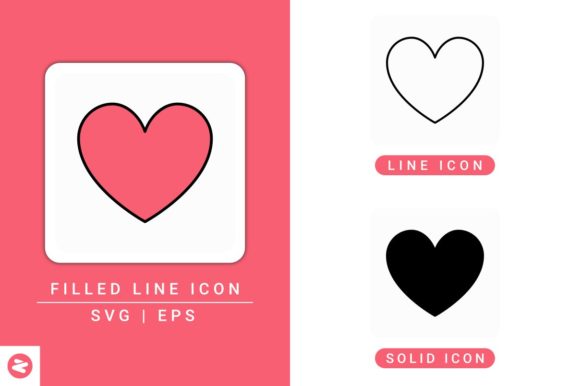
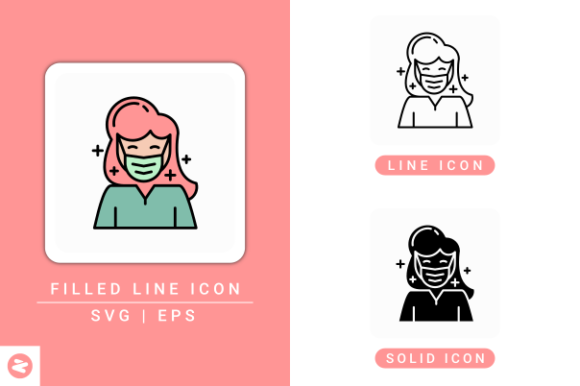
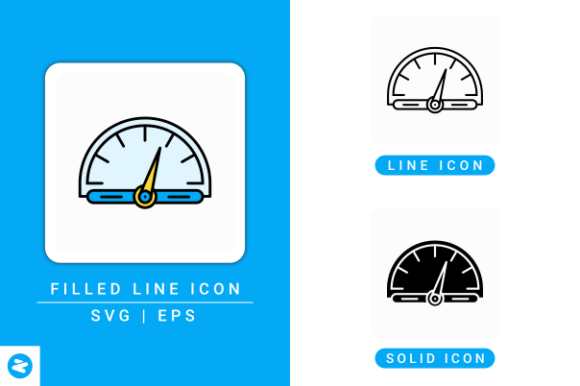
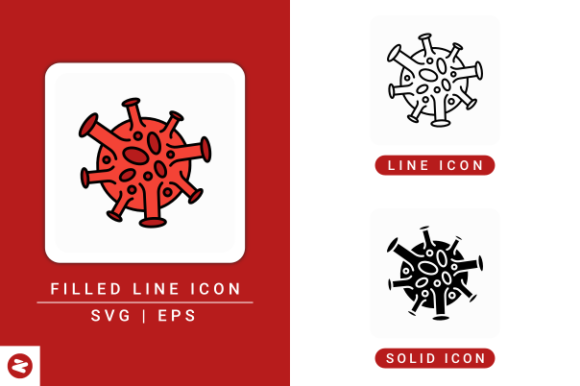
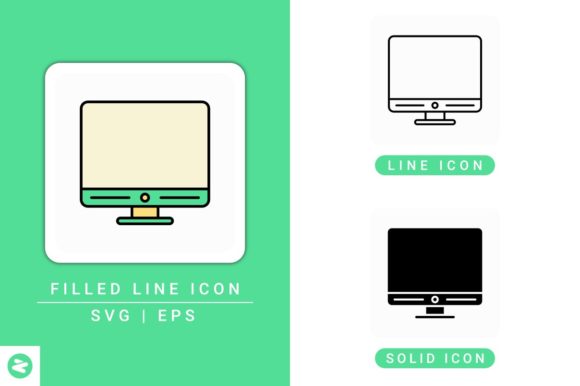
Icon sets are often available in multiple styles, including solid icons, line icons, and filled line icons. Each style serves a different visual purpose and can be chosen based on the design context:
- Solid icons are filled shapes with no outlines, offering a bold and modern appearance. They are ideal for minimalistic designs and call-to-action buttons.
- Line icons are composed of thin strokes with open or closed paths, giving a more delicate and detailed look. They work well in clean, minimalist interfaces where subtlety is key.
- Filled line icons combine the best of both worlds — they feature outlined shapes with partial or full interior fills, providing depth and visual interest without overwhelming the design.
Many icon sets include all three styles, allowing designers to mix and match based on the project's aesthetic and functional requirements.
Editable Stroke Icons: Customization Made Easy
One of the major advantages of vector-based icon sets is the ability to edit stroke properties. An editable stroke icon allows designers to adjust line thickness, color, and style directly within vector editing software like Adobe Illustrator, Inkscape, Affinity Designer, or Gravit Designer.
This level of customization ensures that icons can be tailored to match brand guidelines, design systems, or interface themes. Whether you're designing a dark mode UI or a brightly colored mobile app, being able to tweak stroke properties ensures visual consistency and cohesiveness.
Isolated Backgrounds for Seamless Integration
Icons designed on an isolated background are especially valuable for UI/UX designers. These icons typically have a transparent background or are placed on a plain white canvas, making them easy to integrate into any design without the need for background removal or editing.
Isolated backgrounds also make icons more versatile, as they can be layered over images, gradients, or patterns without visual conflict. This is particularly useful in web design and mobile app development, where icons often need to blend seamlessly with dynamic or changing backgrounds.
Practical Uses of Computer Icons Sets
Computer icons sets are used across a wide range of digital platforms and applications. Here are some of the most common use cases:
- Web Design: Icons help guide users through websites by visually representing navigation menus, social media links, and interactive elements.
- Mobile App Development: From action buttons to menu items, icons enhance usability and reduce the need for text-heavy interfaces.
- Infographics: Icons add visual appeal and help convey complex data in a simple, engaging way.
- Presentations: Using icons in slides can make information more digestible and visually engaging.
- Print Media: Even in print, icons are used in brochures, posters, and flyers to communicate ideas quickly and effectively.
By using a well-designed icon set, designers can ensure consistency, improve user experience, and create visually appealing content across all these mediums.
How to Use the Icon Set: File Formats and Software Compatibility
The computer icons set described here includes three primary file types:
- Filled Line Icon SVG EPS File
- Line Icon SVG EPS File
- Solid Icon SVG EPS File
These file formats are compatible with a variety of design software, including:
- Inkscape – A free, open-source vector graphics editor.
- Adobe Illustrator – Industry-standard software for vector illustration and design.
- Affinity Designer – A powerful alternative to Adobe Illustrator with robust vector tools.
- Gravit Designer – A cloud-based design tool that supports SVG and EPS files across platforms.
After downloading the set, users should extract or unzip the file to access the individual icon files. Once extracted, the icons can be imported into the preferred design software and edited as needed.
Choosing the Right Icon Style for Your Project
Selecting the appropriate icon style depends on several factors, including the overall design aesthetic, target audience, and platform. Here are some tips to help you choose:
- Use solid icons when you need bold, eye-catching visuals — especially in mobile apps or minimalist websites.
- Opt for line icons when a more subtle, elegant look is desired, such as in infographics or professional presentations.
- Choose filled line icons for a balance between detail and simplicity, especially when icons need to be both informative and visually appealing.
It's also a good idea to maintain consistency in icon style throughout a project. Mixing different styles can lead to a cluttered or unprofessional appearance, so it's best to stick with one or two complementary styles at most.
Best Practices for Working with Vector Icons
To get the most out of your computer icons set, consider the following best practices:
- Scale Responsively: Use vector icons to ensure they remain crisp and clear on all screen sizes.
- Group Icons by Function: Organize icons logically within your design to improve usability and accessibility.
- Edit Strokes for Consistency: Adjust stroke widths and colors to match your design system or brand guidelines.
- Use Transparency Wisely: Icons with isolated backgrounds can be layered over complex visuals, but transparency should be used thoughtfully to avoid visual confusion.
- Optimize for Performance: While SVGs are generally lightweight, optimize them further using tools like SVGO to reduce file size without sacrificing quality.
Conclusion: Enhancing Design with a Versatile Icon Set
In today’s digital-first world, having access to a high-quality, customizable computer icons set is more important than ever. Whether you're designing a mobile app, creating an infographic, or building a responsive website, using vector-based icons ensures your visuals remain sharp, scalable, and adaptable.
With options like solid, line, and filled line icons, along with editable stroke capabilities and isolated backgrounds, this icon set offers everything you need to create professional, visually engaging designs. Compatible with major design software and available in SVG and EPS formats, it’s a versatile asset for any designer, developer, or creative professional.
So, the next time you're working on a digital project, remember the power of a well-designed icon set. It’s not just about aesthetics — it’s about enhancing communication, improving user experience, and making your designs more intuitive and effective.