Choosing the Right Employee: Analyzing Applicant Profiles for Effective Hiring
When it comes to building a strong team, employers and HR professionals must carefully analyze employee applicant profiles to make informed hiring decisions. The process of selecting job applicants is more than just reviewing resumes; it's about understanding the right combination of skills, experience, cultural fit, and potential.
Why Analyzing Employee Applicant Profiles Matters
Every business needs the right people in the right roles to thrive. Analyzing employee applicant profiles allows HR teams to go beyond the surface and identify candidates who not only meet the job requirements but also align with the company’s long-term goals. This strategic approach ensures that each new hire contributes positively to the organization’s growth and culture.
Modern hiring practices have evolved to include data-driven decision-making, personality assessments, and behavioral evaluations. These tools help employers better understand an applicant's potential success within the company. Whether you're hiring for a startup or a large enterprise, the ability to analyze and compare candidates is a crucial part of the recruitment process.
Key Qualities to Look for in Job Applicants
When evaluating job applicants, consider the following key attributes:
- Relevant Experience: Does the applicant have a track record that aligns with the role’s responsibilities?
- Technical Skills: Are they proficient in the tools, platforms, or systems required for the job?
- Soft Skills: Communication, teamwork, and adaptability are essential in almost every role.
- Cultural Fit: Will the applicant thrive in your company’s environment and values?
- Long-Term Potential: Do they show signs of growth and the ability to take on more responsibility over time?
These factors help HR professionals make more informed decisions and reduce turnover by selecting candidates who are likely to succeed and stay with the company.
How to Effectively Analyze Applicant Profiles
There’s no one-size-fits-all method for analyzing employee applicant profiles. However, some best practices can streamline the process and improve outcomes:
- Use Structured Interviews: Ask the same set of questions to every candidate to ensure consistency.
- Implement Scoring Systems: Rate applicants based on predefined criteria to objectively compare them.
- Leverage Technology: Tools like ATS (Applicant Tracking Systems) and AI-driven assessments can help filter and evaluate applicants more efficiently.
- Review Work Samples: Requesting writing samples, code snippets, or design portfolios can provide a clearer picture of a candidate’s abilities.
- Conduct Background Checks: Verify education, employment history, and other credentials to ensure accuracy.
By combining these strategies, HR teams can make more strategic hiring decisions that align with both current and future organizational needs.
Flat Illustration in Recruitment: A Visual Edge
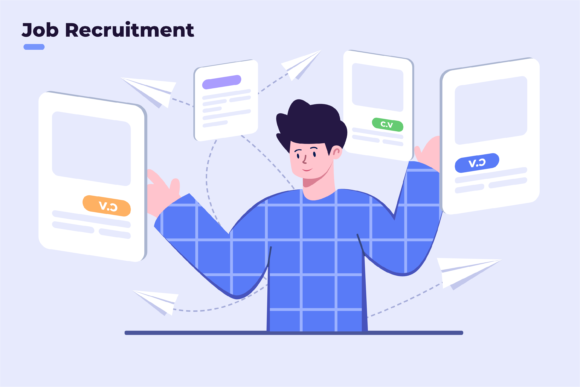
Visual content plays a powerful role in modern recruitment. Flat illustration, in particular, is widely used in HR materials, landing pages, infographics, and motion graphics to simplify complex ideas and engage audiences. Whether you're creating a job posting, a recruitment brochure, or an onboarding presentation, using flat illustration can make your content more accessible and visually appealing.
Many employers choose flat illustration to depict the hiring process, showcasing employers choosing candidates, HR professionals analyzing applicant profiles, and teams collaborating. These visuals help communicate the company’s values, culture, and professionalism in a clean, modern style.
Available File Formats for Recruitment Graphics
If you're planning to use visual content in your hiring materials, it’s important to understand the best file formats for different use cases:
- PNG Files: Ideal for high-quality images with transparency, perfect for websites and digital presentations.
- SVG Files: Scalable Vector Graphics maintain clarity at any size, making them great for responsive web design and logos.
- PDF Files: Useful for downloadable guides, job descriptions, and printable materials that maintain formatting across devices.
- EPS Files: Encapsulated PostScript files are commonly used for print graphics and vector illustrations, especially in professional publishing.
Choosing the right format ensures your recruitment visuals look professional, load quickly, and function well across platforms and devices.
Using Visuals in Recruitment Marketing
Recruitment marketing is all about attracting and engaging top talent. Incorporating visuals such as flat illustrations into your hiring strategy can significantly enhance your employer branding. Whether it’s a landing page highlighting the employee experience, an infographic showing the application process, or a motion graphic used in a recruitment video, visuals help tell your company’s story more effectively.
For example, a motion graphic could walk viewers through the steps of how HR professionals analyze employee applicant profiles. A static infographic might compare the traits of successful candidates versus those who didn’t make the cut. These visuals not only inform but also make the hiring process feel more transparent and welcoming to potential applicants.
How Employers Choosing Candidates Can Improve Hiring Outcomes
The phrase “employers choosing candidates” might seem straightforward, but it encompasses a complex decision-making process. Employers must balance objective data with subjective impressions, all while considering the long-term impact of each hire. Here are a few ways employers can improve their candidate selection process:
- Define Clear Job Criteria: Create a detailed job description that outlines essential skills, experience, and qualities.
- Involve Multiple Stakeholders: Include team members or department heads in the interview process to get diverse perspectives.
- Use Real-World Scenarios: Present candidates with actual challenges they might face on the job to gauge problem-solving abilities.
- Provide Feedback: Offer constructive feedback to unsuccessful applicants to maintain a positive brand image.
- Track Hiring Metrics: Measure time-to-hire, cost-per-hire, and retention rates to refine your hiring strategy over time.
These practices help ensure that the choice of worker employee is based on more than just a gut feeling—it's a data-backed, thoughtful decision that benefits both the company and the individual.
Conclusion: Making the Right Choice in Hiring
Selecting job applicants is one of the most important responsibilities HR professionals and hiring managers face. By carefully analyzing employee applicant profiles and using visual tools like flat illustration in recruitment marketing, companies can make smarter hiring decisions that align with their goals and culture. Whether you're creating a landing page, designing an infographic, or producing a motion graphic, the right visuals and strategies can help you attract, assess, and onboard the best talent available.