Forest Ranger Profession: A Guide to Choosing the Right Tools and Avoiding Common Pitfalls
If you're drawn to nature, conservation, and outdoor work, the Forest Ranger Profession might seem like an ideal career or creative project path. Whether you're a graphic designer building visuals for environmental campaigns, a teacher creating educational materials, or a small business owner promoting eco-tourism, the visual elements tied to the Forest Ranger Profession can elevate your work. However, selecting and using the right design tools and assets isn't always straightforward.
What Is Forest Ranger Profession and Why It Matters
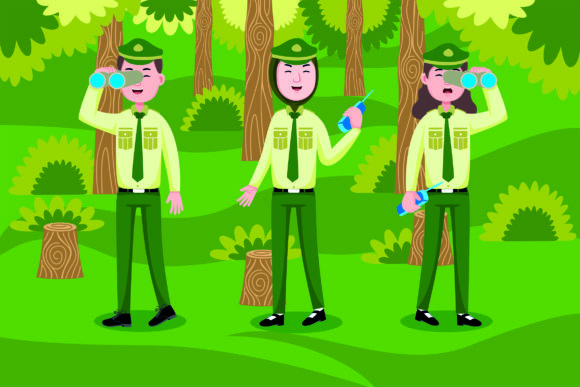
The Forest Ranger Profession concept goes beyond job titles—it's often used as a theme in design, education, and storytelling. Visual assets like those included in the Forest Ranger Profession illustration pack offer a versatile toolkit for creating engaging content. With 100 vector illustrations, multiple file formats (AI, EPS, PDF, JPG), and high resolution (4000 x 6000 pixels), users can resize, recolor, and remix elements for diverse applications.
From infographics to promotional flyers, these illustrations help communicate ideas related to conservation, outdoor adventure, and environmental stewardship. But like any design resource, how you use them matters.
Common Mistakes People Make with Forest Ranger Profession Assets
Many users jump into downloading and using illustration packs without fully understanding what they're getting into. Here are some common mistakes and how they can affect your work:
- Overlooking file compatibility – Not all design software supports every format. For example, if you're using a program that doesn’t read AI or EPS files, you might not be able to edit vectors properly, limiting your ability to resize or recolor illustrations.
- Ignoring resolution for print – While the JPG files included are high quality, some users assume they're print-ready without checking DPI settings. Always confirm that the exported JPG meets print requirements (usually 300 DPI).
- Misjudging scalability – Vector files are ideal for scaling, but if you convert them to raster too early, you lose that flexibility. This can lead to blurry images when used in large formats like posters or banners.
- Using too many elements at once – The pack includes 100 illustrations, which can tempt users to include too many in one design. This can clutter visuals and dilute the message, especially in infographics or slideshows.
How These Mistakes Affect Your Projects
Each of these errors can have a real impact on your final product. For example, if you're designing a brochure for a national park and the illustrations appear pixelated in print, it can damage the credibility of your message. Similarly, using too many design elements can confuse your audience instead of engaging them.
Another example: imagine creating a social media campaign promoting forest conservation using low-resolution images because you didn’t realize the JPG files needed to be exported at a higher DPI. Your posts may look fine on mobile but appear unprofessional when shared on larger screens or printed materials.
Better Choices: How to Avoid These Errors
Avoiding these issues doesn’t require advanced design skills—just a bit of awareness and planning. Here’s how to make the most of the Forest Ranger Profession illustration set:
- Check your software compatibility first – Before downloading, ensure your design tools can handle AI, EPS, or PDF vector files. If not, consider using them as reference images and recreate elements in your preferred format.
- Always export at the correct resolution – When converting vector files to JPG for print or web, double-check the DPI setting. For print, 300 DPI is standard; for web, 72 DPI is usually sufficient.
- Edit in vector until the final stage – Keep your illustrations in vector format until you're ready to export. This ensures you can scale them without quality loss for banners, posters, or digital ads.
- Select visuals intentionally – Choose a few key illustrations that support your message rather than trying to use them all. Consistency in style and color helps maintain a clean, professional look.
What to Check Before Using Forest Ranger Profession Assets
Before diving into your project, take a moment to review the following:
- License terms – Make sure the illustrations can be used for both personal and commercial purposes. Some resources have usage restrictions that could affect your project later.
- Color customization options – Since the illustrations are vector-based, you should be able to change colors easily. Test this early to ensure alignment with your brand or theme.
- Layer structure – Open the AI or EPS files in your design software to see how the layers are organized. Well-structured files make editing much easier and faster.
- Update availability – Some design packs receive updates or additional content. Check if the creator offers future updates that could add value to your purchase.
Final Thoughts: Make the Most of Forest Ranger Profession
The Forest Ranger Profession illustration pack is a valuable resource for creators across industries. Whether you're designing a presentation on environmental policy, a flyer for a nature retreat, or a children's book about forest life, having access to high-quality, customizable visuals makes a big difference.
By understanding how to use these assets effectively—and avoiding common pitfalls—you’ll ensure your projects look polished, communicate clearly, and stand out from the crowd. Take time to explore the files, test their flexibility, and plan your design approach before diving in. With a thoughtful strategy, you'll make the most of this versatile toolkit.