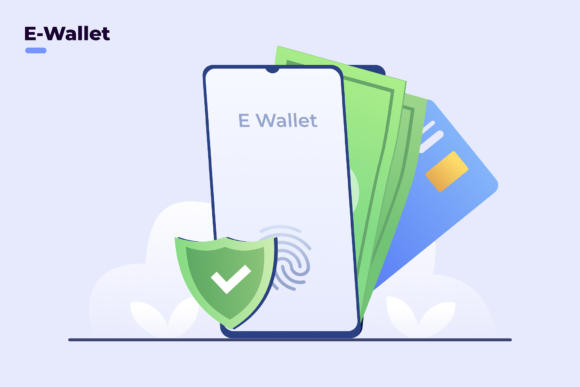
Understanding E-Wallet Finance Technology: The Future of Digital Transactions
In today's fast-paced digital world, managing money has become more convenient than ever. One of the most transformative innovations in modern finance is the e-wallet, also known as a digital wallet, virtual wallet, or digital bank in smartphone application. Whether you're making a purchase online, transferring money to a friend, or paying for groceries using your smartphone, e-wallets are streamlining the way we handle money. This article explores what e-wallets are, how they work, and why they are becoming essential in both personal and business finance.
What Is an E-Wallet?
An e-wallet is a digital platform that allows users to store, manage, and transfer money electronically. Unlike traditional banking apps, e-wallets often provide a more streamlined and user-friendly experience, enabling easy digital transactions with smartphone apps. These virtual wallets can be accessed through dedicated mobile applications or integrated into existing platforms like e-commerce sites, ride-sharing apps, or food delivery services.
At its core, an e-wallet functions like a digital version of your physical wallet. It can store your credit and debit card information, track your spending, and even allow you to send or receive money instantly. Some e-wallets also support virtual money, such as cryptocurrencies or loyalty points, making them a versatile tool for modern financial management.
How Does an E-Wallet Work?
E-wallets operate by securely storing your financial information in encrypted digital formats. When you make a transaction, the e-wallet app communicates with the merchant's payment system to authorize and complete the transfer. This process is typically fast, secure, and requires minimal user input—often just a fingerprint or facial recognition.
Here's a simplified breakdown of how an e-wallet transaction works:
- You open your e-wallet app on your smartphone.
- You select your preferred payment method (e.g., linked credit card, bank account, or stored balance).
- You scan a QR code or tap your phone on a contactless payment terminal.
- The transaction is processed securely and instantly.
This seamless experience is one of the reasons why e-wallets are gaining popularity across the globe.
Types of E-Wallets
E-wallets come in various forms, each designed to suit different financial needs and lifestyles. Here are the most common types:
- Closed System E-Wallets: These are limited to specific platforms or merchants. For example, a coffee shop chain might offer its own digital wallet for purchases within its stores.
- Semi-Closed System E-Wallets: These can be used across multiple merchants but not for cash withdrawals or bank transfers. Examples include popular mobile payment apps used for retail purchases.
- Open System E-Wallets: These function like digital banks, allowing users to transfer money to bank accounts, withdraw cash, and make payments across various platforms.
Why E-Wallets Are Important in Modern Finance
The rise of finance technology has made e-wallets a cornerstone of modern financial systems. They offer several key benefits that are reshaping how individuals and businesses manage money:
- Convenience: With an e-wallet, you no longer need to carry physical cash or multiple cards. Everything is accessible from your smartphone.
- Security: E-wallets use advanced encryption and biometric authentication to protect your financial data.
- Speed: Transactions are completed in seconds, making them ideal for fast-paced environments like retail stores or public transport.
- Cost-Effective: Many e-wallet services offer lower transaction fees compared to traditional banking methods.
For businesses, e-wallets open up new opportunities for customer engagement, loyalty programs, and seamless integration with online and offline sales channels.
E-Wallets in Everyday Life
From paying for groceries to booking a ride, e-wallets are becoming an integral part of daily life. Here are some common scenarios where e-wallets make a difference:
- Shopping: Online retailers often integrate e-wallets to streamline checkout processes.
- Travel: Airports, train stations, and ride-hailing services increasingly accept e-wallet payments.
- Bill Payments: Utility bills, mobile top-ups, and subscription services can be managed easily through digital wallets.
- Peer-to-Peer Transfers: Sending money to friends and family is as simple as sending a message.
Common Misconceptions About E-Wallets
Despite their growing popularity, there are still some misconceptions surrounding e-wallets. Here are a few myths and the truth behind them:
- Myth: E-wallets are only for tech-savvy users.
Fact: Most e-wallet apps are designed with simplicity in mind, making them accessible to users of all ages and technical abilities. - Myth: E-wallets are unsafe.
Fact: Reputable e-wallet providers use advanced security protocols to protect user data and transactions. - Myth: E-wallets replace traditional banks.
Fact: While e-wallets offer many banking-like features, they often work alongside traditional financial institutions rather than replacing them entirely.
How E-Wallets Fit Into the Future of Finance
As finance technology continues to evolve, e-wallets are expected to become even more integrated into our financial ecosystems. Innovations such as blockchain, artificial intelligence, and biometric authentication are likely to enhance the capabilities of digital wallets, making them more secure, personalized, and efficient.
Moreover, the global push for financial inclusion means that e-wallets will play a critical role in providing banking services to underserved populations. In many developing countries, e-wallets are already serving as a primary financial tool for millions of people who lack access to traditional banking systems.
Using E-Wallet Illustrations in Marketing and Education
Visual content plays a vital role in explaining and promoting e-wallet technology. High-quality flat style illustrations of e-wallets, digital banks, and virtual transactions can be used across various platforms, including:
- Landing pages to attract new users
- Websites and blogs to explain financial concepts visually
- Presentations for business or educational purposes
- Infographics to summarize key features and benefits
- Motion graphics for social media and promotional campaigns
These illustrations are typically available in multiple formats, including:
- PNG files for high-quality raster images
- SVG files for scalable vector graphics
- PDF files for print and document use
- EPS files for professional graphic design applications
Using these versatile formats ensures that e-wallet visuals can be adapted for any medium, enhancing both digital and print communication strategies.
Conclusion: Embracing the Digital Wallet Revolution
The rise of e-wallet finance technology is more than just a trend—it's a fundamental shift in how we manage money. Whether you're a consumer looking for a more convenient way to pay or a business aiming to improve customer experience, e-wallets offer a powerful solution. As digital wallets continue to evolve, they will undoubtedly become even more integral to our financial lives, bridging the gap between traditional banking and the digital future.
By understanding and embracing e-wallet technology, individuals and businesses alike can enjoy greater financial flexibility, enhanced security, and a more seamless transaction experience. Whether you're using it to pay with e-wallet at a local store or exploring illustration e-wallet designs for your next project, the digital wallet revolution is here to stay.