Water Pollution During the COVID-19 Pandemic: Understanding the Impact and Finding Solutions
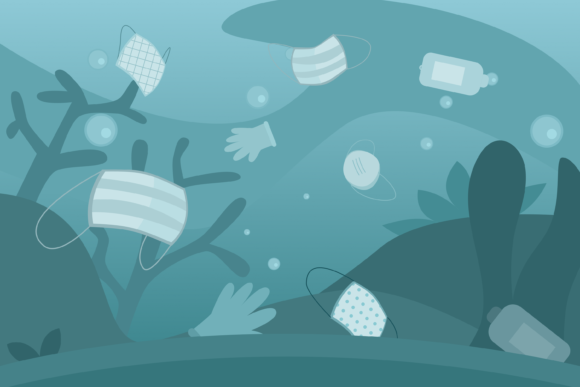
The global outbreak of the coronavirus (COVID-19) has dramatically altered daily life, healthcare systems, and economies. However, one of the less-discussed consequences of the pandemic has been its impact on water pollution, particularly underwater waste pollution. As the demand for personal protective equipment (PPE) surged, so did the improper disposal of face masks, gloves, and medical waste—much of which has found its way into rivers, lakes, and oceans.
This surge in underwater pollution presents new environmental challenges that affect marine ecosystems, public health, and waste management systems worldwide. Understanding the scope of water pollution during the pandemic is essential for developing practical solutions and mitigating long-term damage.
The Rise of Underwater Waste Pollution
With the widespread use of disposable face masks and gloves to curb the spread of the virus, a new category of waste has emerged: pandemic-related litter. These items, often made of polypropylene and other non-biodegradable materials, are not only harmful when left on land but pose a significant threat when they enter waterways.
- Face masks can take up to 450 years to decompose.
- Gloves made from nitrile or latex contribute to microplastic pollution as they break down.
- Medical waste, including syringes and gowns, has increased the risk of contamination in aquatic environments.
These materials often end up in oceans through storm drains, improper disposal, or inadequate waste management systems. Once in the water, they can entangle marine life, be mistaken for food, or leach harmful chemicals into the environment.
Challenges in Managing Pandemic-Related Water Pollution
The challenges associated with water pollution during the pandemic are multifaceted. Key issues include:
- Lack of Public Awareness: Many people are unaware of the environmental impact of improperly disposing of PPE.
- Overburdened Waste Systems: Municipal waste systems have struggled to keep up with the surge in medical and household waste.
- Increased Littering: With more people outdoors due to lockdowns and restrictions, discarded masks and gloves have become a common sight.
- Marine Life Threats: Sea turtles, birds, and fish are increasingly found entangled in or ingesting plastic waste from PPE.
How Addressing Water Pollution During the Pandemic Can Help
Recognizing and responding to water pollution during the pandemic is crucial for several reasons:
- Protecting Ecosystems: Reducing underwater waste helps preserve marine biodiversity and maintain healthy aquatic ecosystems.
- Supporting Human Health: Cleaner water reduces the risk of contaminants entering the food chain and affecting human health.
- Encouraging Sustainable Practices: Addressing this issue can lead to long-term improvements in waste management and environmental awareness.
Practical Applications and Real-World Solutions
There are several practical ways to address water pollution during the pandemic, both at the individual and institutional levels:
1. Promote Proper Disposal of PPE
Public education campaigns can help people understand how to dispose of masks and gloves correctly. Providing clearly marked disposal bins in public areas can also reduce littering.
2. Encourage Reusable Alternatives
Reusable cloth masks and washable gloves offer a more sustainable option for everyday use, reducing the volume of single-use plastics entering the waste stream.
3. Improve Waste Management Infrastructure
Municipalities can invest in better waste collection, sorting, and recycling systems to handle the increased volume of pandemic-related waste safely.
4. Support Cleanup Initiatives
Organizing or participating in local beach, river, or lake cleanups can help remove existing waste before it breaks down or harms wildlife.
5. Advocate for Policy Changes
Supporting legislation that regulates the disposal of medical waste and promotes eco-friendly alternatives can create lasting change.
Who Is Most Affected by Water Pollution During the Pandemic?
While water pollution affects everyone, certain groups are especially vulnerable:
- Fishermen and Coastal Communities: Contaminated waters can reduce fish populations and threaten livelihoods.
- Children and Outdoor Enthusiasts: Increased litter in parks and beaches raises exposure risks for those spending time outdoors.
- Wildlife Conservationists: Marine biologists and environmentalists are working to mitigate the damage caused by pandemic waste.
Different Approaches to Tackling the Issue
Depending on their role or location, individuals and organizations may approach water pollution during the pandemic differently:
- City Planners: May focus on improving waste infrastructure and public disposal options.
- Business Owners: Can adopt sustainable practices, such as providing recycling bins or switching to reusable PPE.
- Students and Educators: Can raise awareness through projects, posters, or presentations on the environmental impact of the pandemic.
- Artists and Designers: Can create infographics, motion graphics, or banners to visually communicate the problem and encourage action.
Useful Considerations for Implementation
When developing strategies to combat water pollution during the pandemic, it’s important to consider the following:
- Accessibility: Ensure that waste disposal bins are available in high-traffic outdoor areas.
- Education: Provide clear instructions on how to dispose of PPE safely.
- Collaboration: Work with local governments, schools, and businesses to create a unified approach.
- Innovation: Explore biodegradable alternatives to current PPE materials.
Conclusion: A Call to Action for Cleaner Waters
Water pollution during the COVID-19 pandemic is a growing environmental issue that requires immediate attention. From face masks to medical waste, the pandemic has introduced new pollutants into our water systems. However, by adopting sustainable practices, supporting local initiatives, and raising awareness, we can all play a role in protecting our oceans and waterways.
Whether you're creating an infographic, designing a poster, or preparing a presentation, the message remains the same: we must act now to reduce underwater waste pollution and ensure a healthier planet for future generations. The solutions are within reach—it's time to put them into practice.